The 10-day cash-only challenge. Can you do it?
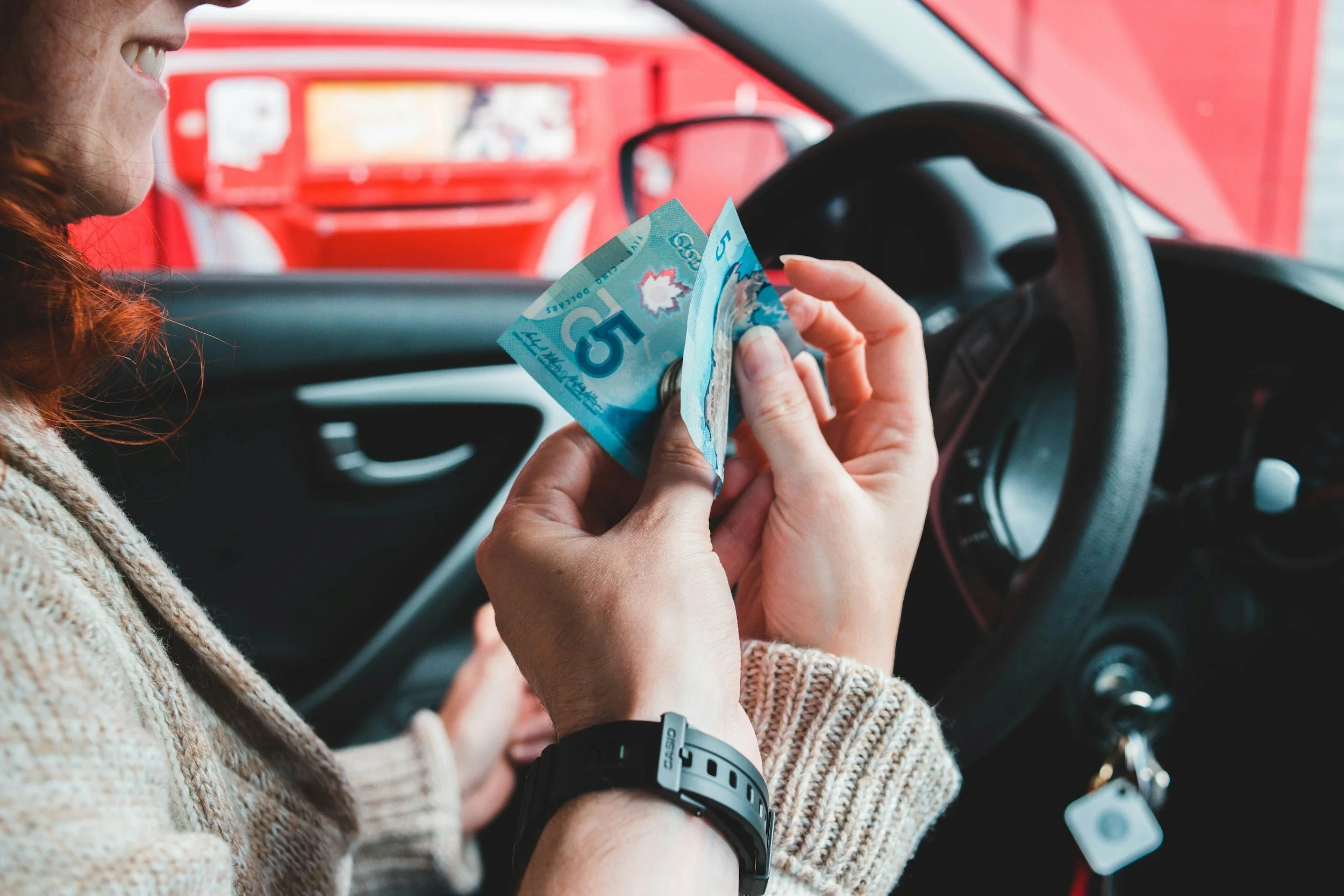
We live in a tap-to-pay world. It’s never been easier to lose track of where your money is going.
This cash-only system isn’t about going backwards; it’s about regaining control of your money. Behaviourally, cash works because it creates friction. That small pause between deciding to and then spending your physical cash is often enough to interrupt impulse habits and bring intention to your purchases.
It’s a highly successful strategy for Canadians who are trying to reset their money habits, are highly visual or hands-on learners, impulsive spenders, chronic overspenders, and folks carrying high credit card balances.
When my community members try the cash system wholeheartedly for just 10 days, the results are powerful; immediate awareness of spending, and a heck of a lot of money saved; a few hundred to more than $1,000 in that short window.
Curious and want to try the cash system for yourself? Here’s how to set yourself up. Think of it as a 10-day experiment.
Step 1: Focus on three to five spending categories
Start small by choosing three to five areas where you tend to overspend. This might include dining out, alcohol and cannabis, groceries, hobbies, nails, sports betting, shopping, entertainment (streaming or concerts). Avoid choosing fixed expenses like rent, your mortgage or a car payment.
Review your banking and credit card transactions over the past month to get a sense of what you’ve spent in those categories. If you’ve spent $300 on fast food, for example, set a cash goal of no more than $200 for your 10-day challenge. Repeat for the other categories, and tally up the total cash you’ll need.
Step 2: Withdraw the total cash and divide it up
It will feel like a lot of money, because it is. Split the cash into the respective categories. You can place the cash in envelopes, sections of your wallet, paper-clipped bills in Ziploc bags, whatever you want as long as it’s separated. Put a label on each so it reads clearly, like $150 for groceries, $50 for fast food.
Now, remove your credit cards from your wallet, and pop them into a drawer at home. For emergencies, keep your debit card handy, but don’t use it unless you absolutely have to.
Want my pro tip? Start with slightly less cash than you think you’ll need. You might unearth a side of resourcefulness that’s been lying dormant.
Step 3: Every time you spend in those categories, use the cash
Watch the money leave your hands. Pay attention to how it feels when you hand it over. Lightly start to track how you’re managing the cash system. If the cash in one category is dwindling, you’ll have to be more conservative with your spending.
Step 4: The limits are the guide you’ve been looking for
When you run low (or run out) in one category, you have options; stop spending, reallocate from another category, delay the purchase, return something you don’t need, or find a way to drum up additional cash.
This is the art of prioritization; an essential skill when learning to manage money. By the end of the 10 days, you’ll know more about your spending habits than you have in months, maybe years.
And while you may not stick with cash forever, you’ll carry forward something far more valuable: awareness, discipline and a renewed sense of control over your money.
Because the goal isn’t to change how you pay; it’s to change how you think about parting with your hard-earned dollars.
This article was originally published in The Star. Lesley-Anne Scorgie is a Toronto-based personal finance columnist and a freelance contributing columnist for the Star.