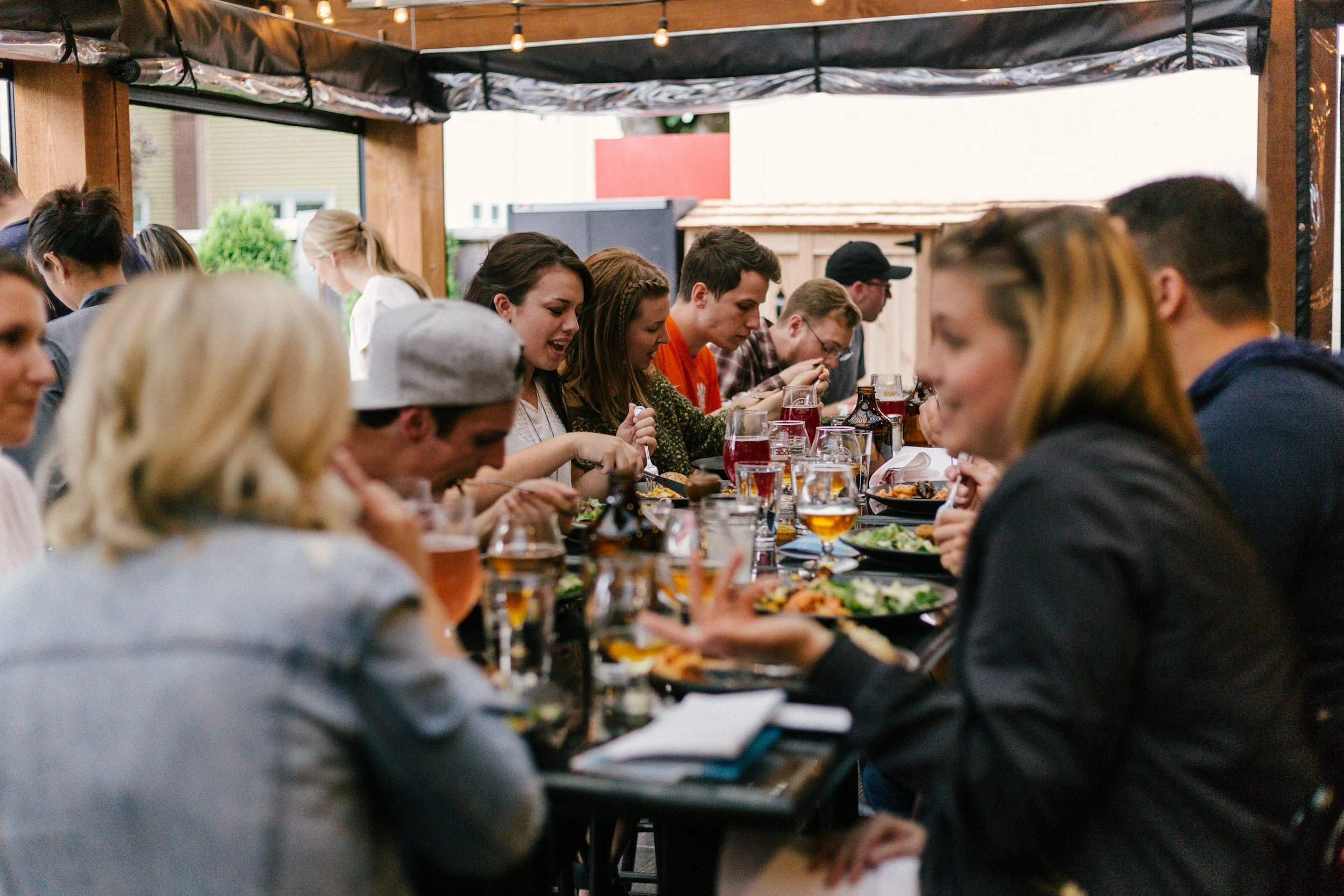
I think we need to invest more in pleasure. And by pleasure, I mean deliberately spending money on the experiences, people, hobbies and little luxuries that make life enjoyable today, rather than directing every available dollar toward a distant financial future.
Apparently, Canadians are already doing plenty of spending in the name of feeling good. We’re just calling it something much darker: doomspending.
New research from NerdWallet Canada found that two-thirds of Canadians made at least one non-essential purchase in the past six months, partly because concerns about the economy or their financial future made enjoying the present feel more important. Forty-five per cent did it more than once.
But when you look at why people actually spent, I wonder whether all of it deserves the doom label.
Where’s the doom?
Among so-called doomspenders, 54 per cent said they wanted a lift in their mood or distraction from stress, while 47 per cent wanted something enjoyable to look forward to. Only 21 per cent specifically cited an uncertain future as motivation.
That tells me something important. Some of what we’re calling doomspending may simply be people trying to create a little enjoyment in their lives. And that’s not necessarily a bad financial decision.
Money isn’t only a tool for funding retirement, paying down a mortgage and preparing for emergencies. It’s also a tool for building a life you enjoy along the way. Consumer psychology research has repeatedly found that spending on experiences produces more happiness than spending on material possessions, in part because experiences strengthen our connections with others.
So buy the concert tickets. Plan the weekend away. Take your kids somewhere they’ll remember. Spend on the hobby you love. Have dinner with your best friend.
The goal isn’t to eliminate spending on pleasure. It’s to recognize which spending actually adds something to our lives — and which is simply trying to change how we feel in the moment.
Spend to improve your life, not just your mood
That’s an important distinction.
Before an unplanned purchase, ask yourself: “Will this improve my life, or just improve my mood for 20 minutes?”
Sometimes the answer is the latter, and that’s OK. A takeout dinner after a brutal day isn’t going to derail most people’s retirement. But if stress routinely sends you shopping, or every bad week requires another purchase to feel better, that’s worth paying attention to.
The financial consequences matter, too. When pleasure spending means carrying a credit card balance or using buy-now-pay-later, you’re no longer simply enjoying your money today. You’re asking your future income to pay for today’s feelings; and that can be costly.
Don’t borrow happiness from your future self
That’s my line: pay for today’s pleasure with today’s money.
Build a guilt-free spending amount into your budget for fun. Save ahead for the bigger experiences you’re excited about. Put enjoyable things on the calendar. Then spend without beating yourself up.
If there truly isn’t much left after the essentials, investing in pleasure needs to look different. Don’t take on debt or skip a bill in the name of living for today. Instead, find the small amount you can safely spend on something that brings joy — a $10 coffee with a friend, $20 toward a hobby or $5 a week saved toward an experience you’re looking forward to.
Pleasure doesn’t always require spending, either. A picnic, a library book, a hike, a free concert or having friends over can still give you something to anticipate and enjoy. The amount isn’t the point. Making room for enjoyment in your life is.
I understand the fatigue of continually cutting back and putting off things you want, especially when saving another small amount feels like it won’t materially change your financial situation. A financial plan that requires you to defer all enjoyment indefinitely isn’t a life plan. It sounds miserable.
But neither is sacrificing tomorrow every time today feels hard. Invest for your future. Save for retirement. Pay down expensive debt. Build your emergency fund.
Just remember to invest something you can afford in the life you’re living right now, too.
This article was originally published in The Star. Lesley-Anne Scorgie is a Toronto-based personal finance columnist and a freelance contributing columnist for the Star.