Lesley-Anne Scorgie: Get ahead of your holiday grocery bills with these five smart moves
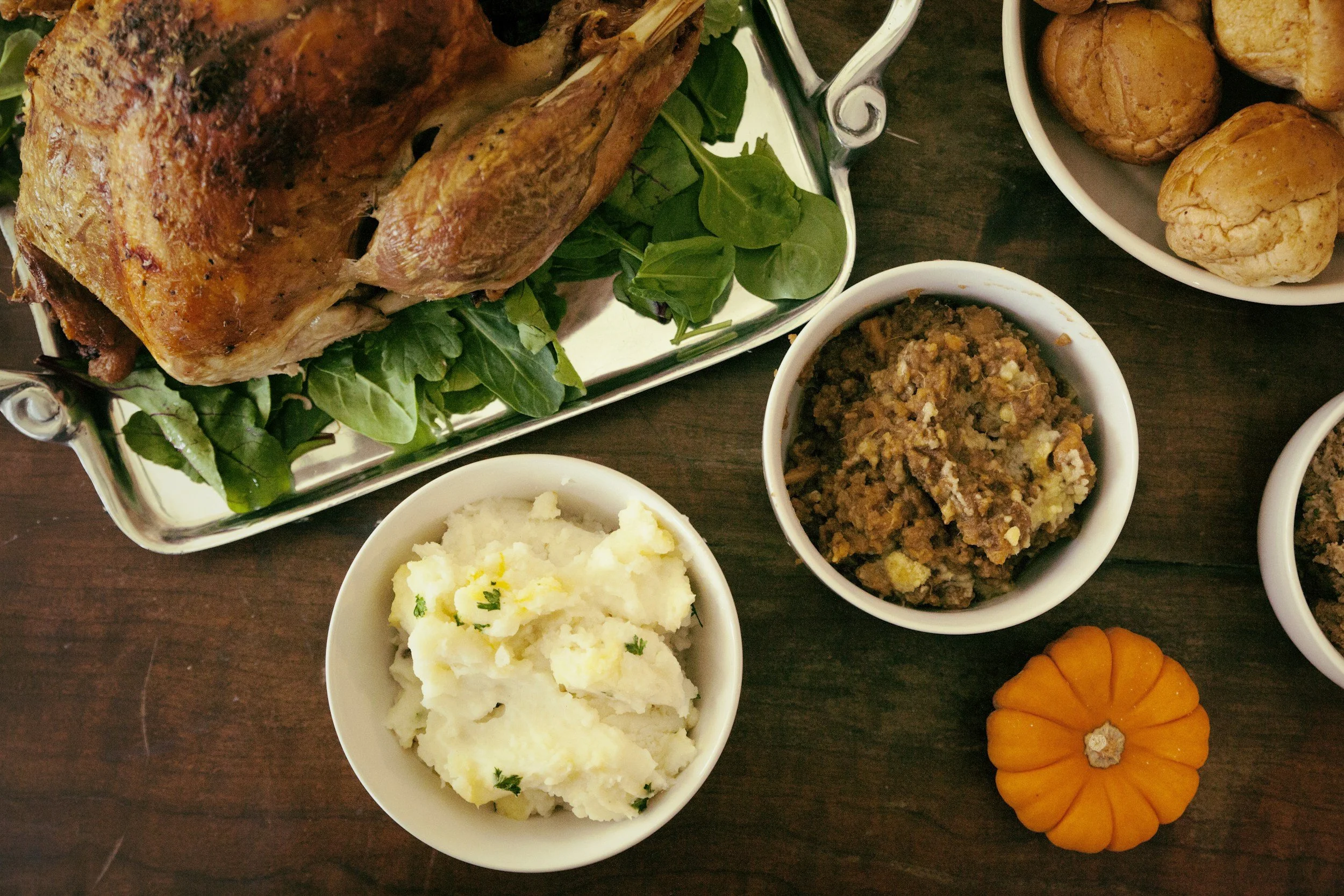
Did your Thanksgiving dinner come with an extra helping of financial stress?
Between the turkey, trimmings, desserts and those inevitable last-minute grocery runs, feeding everyone probably felt more expensive than ever.
It wasn’t your imagination. Dalhousie University’s Agri-Food Analytics Lab estimates a traditional Thanksgiving dinner for four cost 10 per cent more this year than last. Meanwhile, Statistics Canada reports grocery prices are 29 per cent higher than five years ago.
With another expensive holiday season approaching, Canadians need more than another reminder to clip coupons. We need smarter ways to shop, waste less and get more value from every grocery dollar. Here are five moves to make now.
Stock up on what keeps, and what you need
Buying ahead can protect your grocery budget from future price increases, but only when you’re buying things you’ll actually use. Focus on pantry staples such as rice, pasta, oats, canned tomatoes, beans and coffee. Frozen vegetables and proteins bought on sale can also stretch your grocery dollars.
Keep a short list of the regular prices for your 10 most-purchased staples. That way, you’ll recognize a genuine deal instead of trusting every sale sticker. Buy enough to last until the next likely sale — perhaps even through the holidays — provided you have the storage space and money available. A bargain isn’t a bargain if it spoils, lands on your credit card or requires buying a second freezer you never needed.
And beware the “While I’m Here Tax.” You pop into the grocery store for milk and leave $50 poorer.
Waste less before you spend less
One of the easiest ways to reduce your grocery bill is to stop throwing away food you’ve already paid for. Plan five dinners instead of seven to leave room for leftovers and changing schedules. Cook once, eat twice. Freeze bread, bananas and extra portions before they spoil. Designate a “use it up” shelf in your fridge for anything that needs to go soon, then build your next meal around it. Look up recipes if you’re stumped about how to use an ingredient.
Stop overpaying for the same meal
Many households buy the same groceries every week without questioning whether they’re still getting good value, or even enjoying what they’re eating. Store brands, discount grocers, frozen produce and less expensive proteins can cut the cost of dinner without sacrificing quality or flavour.
Try reviewing your last two grocery receipts. Identify five frequently purchased items and compare unit prices with alternatives. Swap one name-brand product and replace one meat-heavy dinner with a lentil, bean or egg-based meal. You can also use AI to suggest cheaper substitutions from your receipts — just remove personal details and verify any prices it gives you.
Build a grocery buffer for the holidays
Grocery spending tends to spike when you’re hosting, entertaining or feeding kids home from school. Setting a little money aside now can soften those bigger shopping weeks.
If your budget allows, automatically transfer $10 or $20 a week into a separate grocery savings account. Over the next 12 weeks, that’s $120 to $240 available when you need it without relying on credit. Don’t overlook grocery loyalty points you’ve already accumulated. Redeeming them during expensive holiday shopping weeks can help stretch your budget further.
Don’t cancel the joy
Higher grocery prices don’t mean giving up family traditions or the pleasure of sharing a good meal. Spend intentionally on what makes those moments special — host a potluck, plan menus around seasonal sales and skip expensive dishes nobody particularly enjoys.
Before your next gathering, choose the two or three foods that matter most to your family. Spend on those and simplify the rest.
You can’t control the price of groceries. But you can get much more deliberate about which prices you’re willing to pay.
This article was originally published in The Star. Lesley-Anne Scorgie is a Toronto-based personal finance columnist and a freelance contributing columnist for the Star.