Why every woman should have a ‘freedom’ fund
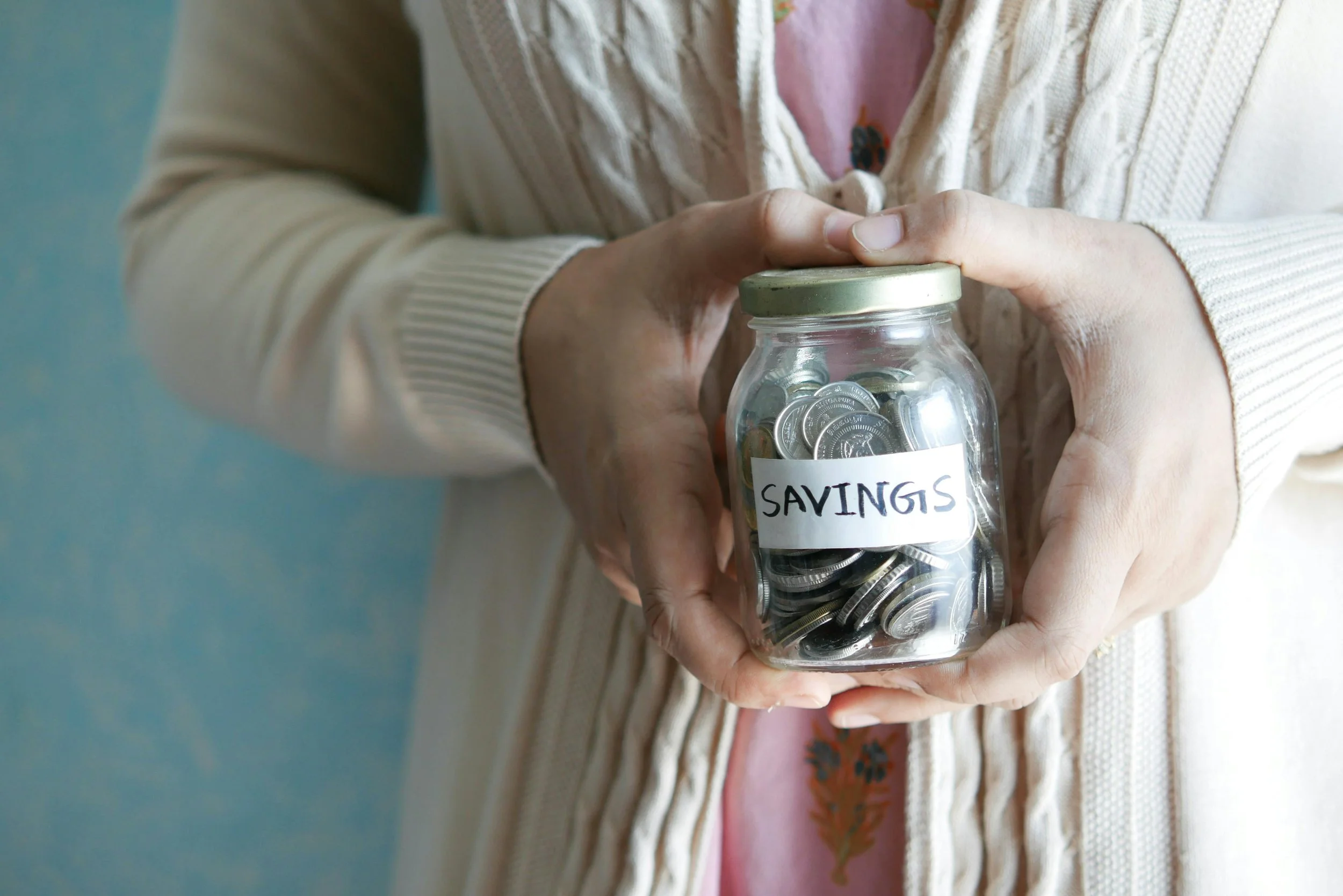
An unpaid leave of absence from work. A special something that’ll fill your emotional cup. Funding a course that will help you change careers. A much-needed mom escape with friends. Moving out of the house for whatever your reasons are.
This is the “me” fund or “freedom” fund, and there are some key benefits for women who build one; flexibility to spend without guilt and with full autonomy, peace of mind that you’re not overdoing it when you do spend, and empowerment knowing you’re saving toward a personal goal.
“What if I have a partner that I share money with?” you ask.
It might make sense for each person to get their own “me” fund, and agree to a no comment rule on how the other person spends their money. This can prevent money fights. In other situations, the fund should be set up independently so you can prioritize your well-being and walk away from situations that aren’t serving you. Choose what’s right for you, but seek legal advice if you’re building this fund to leave a bad marital situation as there are considerations around financial disclosure.
What is the intention?
Is this money almost like a personal allowance each month, so you spend as you wish until it’s gone? Is it for something much bigger, meaning you’ll be saving up? Perhaps it’s a blend of short-term spending and long-term saving?
This fund is not for regular bills or obligations. When it’s not used, you simply roll it over into the next month. Avoid borrowing from it. When you do use the money, commit to mindful spending.
Dedicate a separate account for this money
For some women, this is an entirely new account exclusively in her name. For other women, it’s easier to use an existing account and repurpose it into the “me” fund. A high-interest savings account is a solid option if there will be a higher balance in the account because the money will earn interest, albeit small, now that fixed deposit savings rates have gone down significantly. Aim for a no-fee account.
Bank accounts can usually be set up online, or you can visit a bank branch with two pieces of government issued identification. I recommend linking the account to your bank card for easy access, and nicknaming the account “me” fund to make it easy to find in your online banking portal. If you’re following a budgeting app or template regularly, this fund should be set up as a new budget category.
How much are we talking about?
There are four ways to approach saving for your freedom fund; mix the techniques together if it works for you.
First, choose a fixed dollar amount, which is easy when you have a stable income. Example ranges could be $50 biweekly (tighter budget); $150 biweekly (moderate income and more budget flexibility); $300-$500 biweekly (higher income with lots of buffer built into the household budget). Schedule automatic transfers into your fund on payday. By treating it like a non-negotiable bill, the savings habit stands a higher likelihood of being sustainable.
Second, choose a percentage of take-home pay. This is great when your income fluctuates. It requires some calculation. A common range is between two and four per cent of take-home pay, but if money is tight, one to two per cent works too. An example would be if you earn $5,000 in February, two per cent is $100, four per cent is $200 going into the fund. This scales automatically as your income shifts up and down.
Third, anchor the savings to one of two habits that can be swapped for savings. If you’re a daily coffee or lunch buyer, or buy takeout once a month, or subscribe to something nice-to-have but isn’t necessary like a streaming service, you’d swap that habit and fund the account instead. Daily coffees could add up to $25 per week, and that money would be redirected into the fund, as an example. Many women find this technique easy to manage.
Fourth, decide on an ultimate goal for the fund and how much you’ll want or need. This will help keep you on track and your eye on the prize.
Check in on how your savings strategy is going every 90 days. You’ll know the strategy is working if the fund is enough money to feel empowering without derailing other financial and personal goals. A few other ways you can tell if it’s working for you is if you’re not taking on unnecessary debts or depleting essential savings from elsewhere (a sign you might be over-contributing to the fund), and occasionally rolling it over and not spending it every month. It takes time to build the habit, but it’s worth it for the possibilities and peace of mind.
This article was originally published in The Star. Lesley-Anne Scorgie is a Toronto-based personal finance columnist and a freelance contributing columnist for the Star.